

Bulletin Board
- Beginner Gardening class starts Jan 9, 2027. Click HERE to learn more. Click HERE to register.
- Annual dues are being accepted. Early bird discount for payments made before Nov 1 is $20/single, $35/couples (plus $1 e-processing fee). Payments received on/after Nov 1 are $25/single, $45/couples (plus $1 e-processing fee). Payments made after Jan 1 will be assessed a $10 late fee (no discount for couples). Click HERE for online payment.
- New Gardening Guides available. Click HERE to learn more.
- SAVE THE DATE Spring Seminar, Tuesday, March 2, 2027. New Braunfels Convention Center. Tickets go on sale mid-November. Look for the link on this website.

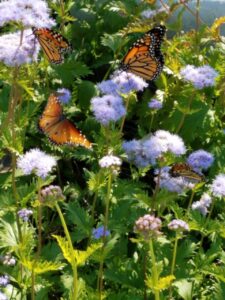 Become a Texas Master Gardener!
Texas Master Gardeners provide support to the Texas A&M AgriLife Extension Service by providing unbiased, research-based gardening information to the public that is locally relevant. By applying to become a Master Gardener, you are expressing your desire to support this community education through your volunteer service.
The Master Gardener Training Class is designed to provide you with the horticulture information that you will use to provide the community with unbiased, researched-based gardening information.
Classes will start January 13, 2027. Only 30 spots open. For details about the Texas Master Gardener classes click HERE.
Click HERE to APPLY.
Tips from the Garden
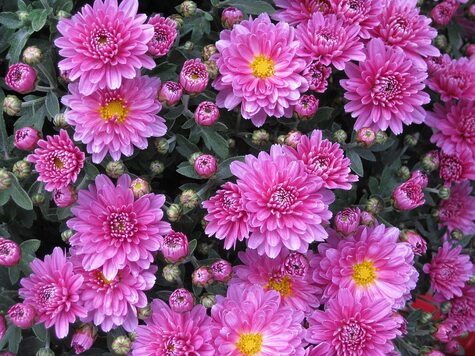
If your knees aren't green by the end of the day, you ought to seriously re-examine your life. ~Bill Watterson, Cartoonist: Calvin and Hobbes~
The cooler weather coming soon will make being outdoors a nice time for working in the garden.
Click HERE for more information.
Herb of the Month - Parsley
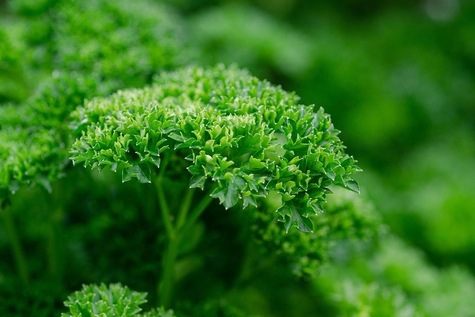
Parsley is much more than a decorative sprig on the side of a plate. This flavorful herb is easy to incorporate into a Texas home garden, provides vitamins and minerals, and can be used fresh or dried in a wide range of dishes. Texas A&M AgriLife Extension resources offer practical guidance for growing, harvesting and using parsley in the home garden.
Click HERE to read more.
Focus on a Native - Honey Mesquite
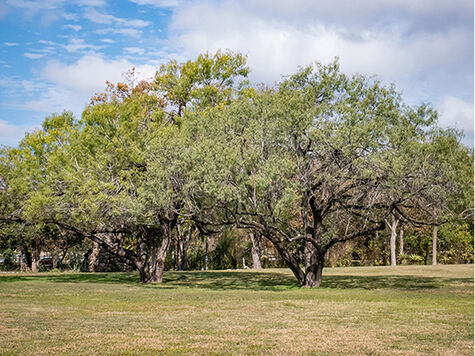
Honey Mesquite, Prosopis glandulosa, often simply called mesquite, is a common native tree in much of Texas except the far eastern region. This small, graceful tree is most often found growing in fallow fields and pastures in such abundance as to become aggressive and overabundant; many ranch owners eradicate them. Yet, it can be a beautiful landscape tree.
Click HERE to read more.
My Future Garden
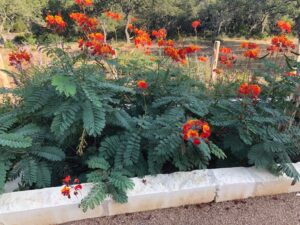 With the drought comes an opportunity. It’s an ideal time to take a look around and see what plants are surviving or even thriving in your neighborhood or nearby communities. Make a note of those plants. Look for ways to incorporate them into your garden and landscape beds for a remodel or replacement of plants that gave up. Don’t let the heat parch your psyche. It’s a refreshing time!
Click HERE to read more.
Veggies, Q&As, and Native Plants
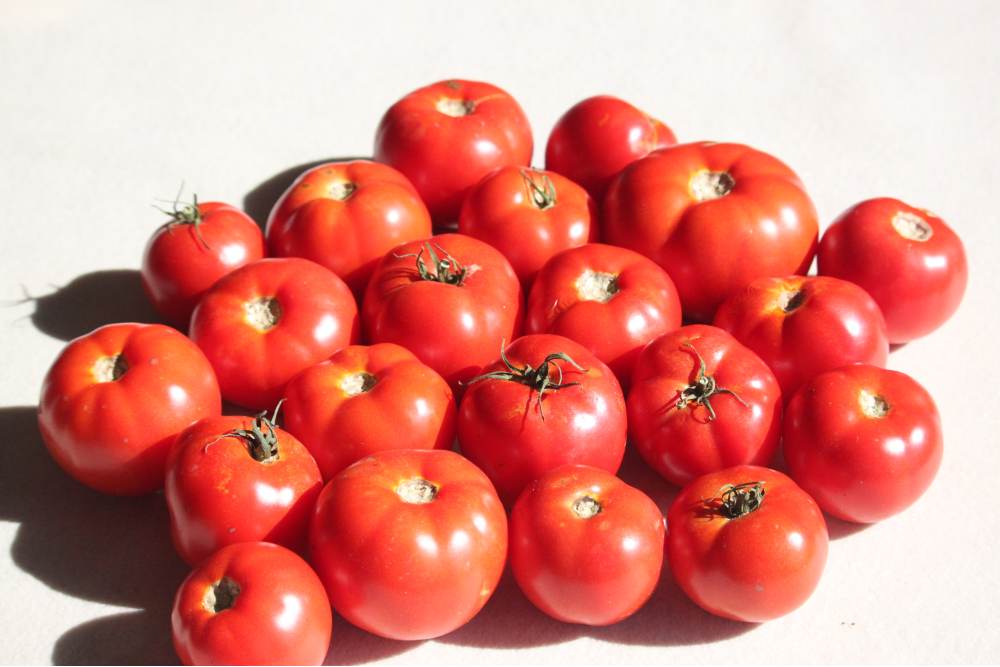
Happenings and Harvests in the Veggie Garden
A weekly log of veggie garden activities

Native Plant Gallery
Visit our gallery of native plants--and Go Native!